
TIA vs Stroke: Understanding the Warning Signs, Symptoms, and Key Differences
November 6, 2026
A sudden loss of balance, difficulty speaking, blurred vision, or weakness on one side of the body can be frightening. These symptoms may indicate a serious neurological emergency, such as a stroke or a Transient Ischaemic Attack (TIA). Although both conditions can produce similar warning signs, they differ in how long symptoms last and the type of damage they cause to the brain.
Understanding the difference between a TIA and a stroke is essential because recognising symptoms early and seeking immediate medical attention can significantly improve outcomes. A TIA is often described as a warning stroke because it may signal an increased risk of a future, more severe stroke.
In this article, we will explore what TIA and stroke mean, their warning signs, causes, risk factors, differences, and the importance of early medical intervention.
What Is a Transient Ischaemic Attack (TIA)?
A Transient Ischaemic Attack, commonly known as a TIA, occurs when blood flow to a particular part of the brain is temporarily interrupted. This interruption is usually caused by a small blood clot or a narrowing of the blood vessels supplying the brain.
When the brain does not receive enough oxygen-rich blood, neurological symptoms can develop suddenly. However, unlike a major stroke, the blockage resolves and the symptoms disappear, usually within minutes or hours.
A TIA does not cause permanent brain damage detectable as an acute infarction, but it should never be ignored. It can be an important warning that a person is at risk of experiencing a future stroke.
Common warning signs of a TIA include:
-
Sudden weakness or numbness in the face, arm, or leg, particularly on one side.
-
Temporary difficulty speaking or understanding conversations.
-
Sudden blurred vision, double vision, or temporary loss of vision.
-
Unexpected dizziness or difficulty maintaining balance.
-
Sudden confusion or difficulty understanding information.
-
Temporary problems with coordination or walking.
Even if these symptoms disappear completely, emergency medical assessment is necessary. Do not wait for symptoms to return before seeking help.
What Is a Stroke?
A stroke occurs when the blood supply to part of the brain is interrupted or when a blood vessel inside the brain ruptures. Brain cells require a continuous supply of oxygen and nutrients to function correctly. When this supply is disrupted, brain cells can become damaged or begin to die within minutes.
Unlike a TIA, a stroke can cause permanent neurological damage, long-term disability, or even death if treatment is delayed.
There are two major types of stroke:
1. Ischaemic Stroke
An ischaemic stroke is the most common type. It happens when a blood clot blocks an artery supplying blood to the brain. The blockage may develop directly within a brain artery or travel from another part of the body.
Common contributing factors include narrowed arteries, blood clots, and certain heart conditions, such as atrial fibrillation.
2. Haemorrhagic Stroke
A haemorrhagic stroke occurs when a blood vessel in the brain ruptures, causing bleeding into or around the brain. This bleeding increases pressure on surrounding brain tissue and damages brain cells.
High blood pressure, weakened blood vessels, and certain vascular abnormalities can increase the risk of this type of stroke.
Both types require immediate medical attention because early diagnosis and appropriate treatment can reduce the risk of serious complications.
TIA vs Stroke: What Are the Main Differences?
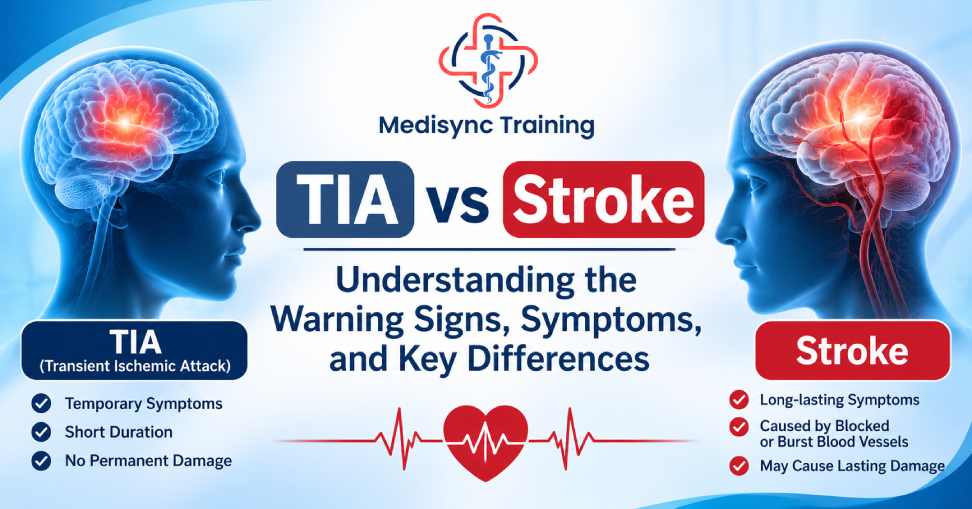
Although TIA and stroke share similar symptoms, the main difference is whether the interruption in blood supply causes permanent brain injury.
| Comparison | TIA | Stroke |
|---|---|---|
| Full name | Transient Ischaemic Attack | Cerebrovascular Accident |
| Blood supply | Temporarily interrupted | Blocked or disrupted by bleeding |
| Symptoms | Usually resolve within minutes or hours | May persist or cause permanent disability |
| Brain damage | No acute infarction | Brain tissue damage may occur |
| Medical urgency | Medical emergency | Medical emergency |
| Long-term effects | Usually no lasting neurological damage | May cause lasting physical or cognitive difficulties |
It is important to understand that symptom duration alone cannot establish whether someone has experienced a TIA or a stroke. Medical examinations and appropriate brain imaging are needed to determine the diagnosis.
American Stroke Association+2
Recognising the Warning Signs: Remember B.E. F.A.S.T.
One of the easiest ways to recognise a possible stroke or TIA is to remember the B.E. F.A.S.T. method. It helps people identify important warning signs and respond quickly.
-
B – Balance: Sudden dizziness, loss of balance, or difficulty walking.
-
E – Eyes: Sudden blurred vision, double vision, or loss of vision.
-
F – Face: One side of the face becomes weak or droops when smiling.
-
A – Arms: Sudden weakness or numbness in one arm, making it difficult to raise both arms.
-
S – Speech: Slurred speech, difficulty speaking, or problems understanding others.
-
T – Time: Seek emergency medical assistance immediately.
These symptoms can appear suddenly, sometimes without pain. Even one warning sign is enough to seek emergency medical help.
CDC+1
What Causes a TIA or Stroke?
Several medical conditions and lifestyle factors can increase the risk of experiencing a TIA or stroke.
Some common causes and contributing factors include:
1. High Blood Pressure: Uncontrolled hypertension can damage blood vessels and increase the likelihood of blockages or bleeding in the brain.
2. High Cholesterol: Excess cholesterol can contribute to plaque formation inside arteries, narrowing the blood vessels and restricting blood flow.
3. Diabetes: High blood sugar levels can damage blood vessels over time and increase cardiovascular risks.
4. Heart Conditions: Conditions such as atrial fibrillation can cause blood clots to form in the heart, which may travel to the brain.
5. Smoking: Tobacco use damages blood vessels and increases the risk of clot formation.
6. Physical Inactivity and Obesity: A sedentary lifestyle and excess body weight can contribute to hypertension, diabetes, and other conditions associated with stroke.
Age and family history can also influence an individual’s risk. However, strokes and TIAs can affect people of different age groups.
NHS+2
How Are TIA and Stroke Diagnosed?
Early diagnosis is essential for identifying the cause of symptoms and deciding on the appropriate treatment.
Doctors may recommend several investigations, depending on the patient’s condition and medical history.
-
Physical and neurological examination: Evaluates muscle strength, speech, coordination, vision, and sensation.
-
CT scan: Helps identify bleeding in the brain and other abnormalities.
-
MRI scan: Provides detailed images of brain tissue and can identify areas of injury.
-
Blood tests: Check blood sugar, cholesterol, and other relevant health indicators.
-
ECG: Helps identify irregular heart rhythms, including atrial fibrillation.
-
Carotid ultrasound: Checks for narrowing or blockages in the arteries supplying blood to the brain.
These investigations help healthcare professionals identify whether the symptoms are associated with a TIA, an ischaemic stroke, a haemorrhagic stroke, or another medical condition.
NHS+2
Treatment and Recovery: Why Early Intervention Matters
Treatment depends on the type of condition, its underlying cause, and the patient’s overall health.
For a TIA, treatment generally focuses on preventing another episode or a future stroke. Doctors may recommend appropriate medication, management of blood pressure and cholesterol, diabetes control, and lifestyle modifications. In selected cases, surgery may be considered to address significant narrowing of the carotid arteries.
For an ischaemic stroke, eligible patients may receive clot-dissolving medication or mechanical thrombectomy to restore blood flow. Haemorrhagic stroke treatment focuses on controlling bleeding, managing pressure inside the skull, and addressing the damaged blood vessel.
Following a stroke, rehabilitation may play an important role in helping patients regain independence and improve their quality of life.
Rehabilitation programmes can include:
-
Physiotherapy: Helps improve muscle strength, balance, coordination, walking ability, and physical mobility.
-
Occupational therapy: Supports patients in performing everyday activities such as dressing, bathing, and eating.
-
Speech and language therapy: Helps individuals experiencing communication or swallowing difficulties.
-
Cognitive rehabilitation: Supports improvements in memory, attention, and problem-solving abilities.
A personalised rehabilitation programme can help patients work towards achievable recovery goals under professional supervision.
Can TIA and Stroke Be Prevented?
Although not every stroke can be prevented, adopting healthier habits and managing existing medical conditions can significantly reduce the risk.
Consider the following preventive measures:
-
Monitor blood pressure regularly and follow medical advice.
-
Maintain healthy cholesterol and blood sugar levels.
-
Follow a balanced diet rich in fruits, vegetables, whole grains, and healthy fats.
-
Participate in regular physical activities as recommended by a healthcare professional.
-
Avoid smoking and limit alcohol consumption.
-
Maintain a healthy body weight.
-
Attend regular medical check-ups, particularly if you have cardiovascular risk factors.
-
Take prescribed medications consistently and never discontinue them without consulting your doctor.
People who have experienced a TIA should receive prompt medical evaluation and follow an appropriate stroke-prevention plan.
NHS+1
Conclusion
Understanding the difference between a TIA and a stroke can help individuals recognise potentially life-threatening warning signs and seek timely medical attention. Although TIA symptoms may disappear within minutes or hours, they should never be considered harmless. A TIA can indicate an increased risk of a future stroke.
Remember the B.E. F.A.S.T. warning signs: Balance problems, Eye changes, Face drooping, Arm weakness, Speech difficulties, and Time to seek emergency help.
Never ignore sudden neurological symptoms, even if they disappear. Call emergency services immediately rather than waiting for symptoms to improve. Early diagnosis, appropriate medical treatment, and structured rehabilitation can make an important difference in recovery and long-term health.
Medical disclaimer: This article is intended for educational purposes only and does not replace professional medical advice, diagnosis, or treatment.
Popular Posts
-
Diabetic Emergency First Aid: Symptoms, Immediate Response and Essential Life-Saving Skills
November 20, 2026A diabetic emergency can happen suddenly and may become life-threatening if the right first aid...
-
Diabetic Emergency First Aid: What You Need to Know
November 18, 2026Diabetes is a common health condition that affects how the body regulates blood glucose (blood...
-
First Aid for Low Blood Sugar and Hypoglycaemia: Symptoms, Causes and Emergency Treatment
November 16, 2026Low blood sugar, medically known as hypoglycaemia, is a condition that occurs when the glucose...
-
Fainting vs Seizure: How to Tell the Difference
November 13, 2026Understanding the difference between fainting and a seizure is important because both conditions can cause...
-
First Aid for Fainting: What Should You Do?
November 11, 2026Fainting can happen suddenly and without much warning. A person may feel dizzy, weak, sweaty,...