Panic Attack or Anxiety Attack: Understanding the Difference and When to Seek Help
June 16, 2026
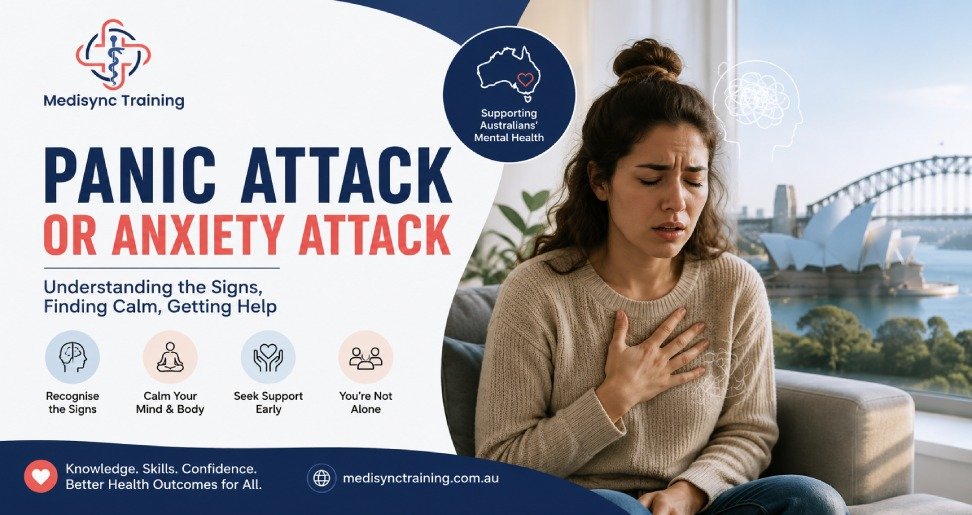
Mental health awareness in Australia has grown significantly in recent years, yet many people still confuse a panic attack with an anxiety attack. While both conditions can feel overwhelming and frightening, they are not exactly the same. Understanding the difference between a panic attack or anxiety attack can help individuals recognise symptoms early, seek proper support, and manage their mental wellbeing more effectively.
In today’s fast-paced lifestyle, work pressure, financial stress, family responsibilities, and social expectations can trigger emotional distress in people of all ages. Whether you are a student, working professional, parent, or elderly individual, learning about anxiety-related conditions is important for maintaining both mental and physical health.
What Is an Anxiety Attack?
An anxiety attack is generally linked to excessive stress, worry, or fear about a particular situation. Although the term “anxiety attack” is commonly used, it is not officially classified as a medical diagnosis in the same way as panic disorder.
An anxiety attack usually develops gradually and is triggered by stressors such as:
- Workplace pressure
- Relationship issues
- Financial concerns
- Health worries
- Exams or academic stress
- Social situations
People experiencing anxiety attacks often feel emotionally overwhelmed for extended periods.
Common Symptoms of an Anxiety Attack
Symptoms can vary from person to person but may include:
- Restlessness
- Rapid heartbeat
- Difficulty concentrating
- Muscle tension
- Sweating
- Irritability
- Trouble sleeping
- Shortness of breath
- Feeling nervous or fearful
Anxiety attacks may last for hours or even days depending on the severity of stress.
What Is a Panic Attack?
A panic attack is more intense and sudden. It usually occurs without warning and can peak within minutes. Panic attacks can feel extremely frightening, often causing people to believe they are having a heart attack or medical emergency.
According to mental health experts in Australia, panic attacks can happen unexpectedly or be triggered by certain situations such as crowded spaces, trauma reminders, or extreme stress.
Common Symptoms of a Panic Attack
A panic attack may include:
- Chest pain
- Racing heartbeat
- Dizziness
- Shaking or trembling
- Sweating
- Shortness of breath
- Feeling detached from reality
- Fear of losing control
- Fear of dying
- Nausea
Because symptoms are so severe, many Australians visit emergency departments believing they are experiencing serious physical health problems.
Panic Attack vs Anxiety Attack: Key Differences
Although both conditions share similarities, there are several important differences.
| Feature | Anxiety Attack | Panic Attack |
|---|---|---|
| Onset | Gradual | Sudden |
| Trigger | Usually stress-related | Can occur unexpectedly |
| Intensity | Mild to moderate | Severe and intense |
| Duration | Can last hours or days | Usually peaks within minutes |
| Physical Symptoms | Moderate | Very intense |
| Fear Level | Persistent worry | Extreme terror |
Understanding these differences can help individuals seek the right treatment and support.
Causes of Panic and Anxiety Attacks
There is no single cause behind panic attacks or anxiety attacks. In many cases, multiple emotional, psychological, and lifestyle factors contribute to these conditions.
Common Causes Include:
- Chronic stress
- Trauma or past emotional experiences
- Family history of anxiety disorders
- Poor sleep
- Alcohol or substance misuse
- High caffeine intake
- Work burnout
- Social isolation
- Major life changes
In Australia, increasing workplace stress and digital overload have also contributed to rising anxiety levels among adults and teenagers.
How Panic and Anxiety Attacks Affect Daily Life
If left unmanaged, panic and anxiety attacks can significantly affect quality of life. Some individuals begin avoiding social situations, public transport, workplaces, or crowded areas due to fear of experiencing another episode.
This can impact:
- Work performance
- Relationships
- Physical health
- Confidence
- Sleep quality
- Social interaction
Seeking help early is essential to prevent symptoms from worsening.
When Should You Seek Professional Help?
Occasional stress is a normal part of life, but recurring panic attacks or anxiety symptoms should not be ignored.
You should consider professional support if:
- Symptoms interfere with daily activities
- You experience frequent panic episodes
- Anxiety affects sleep or appetite
- You avoid situations due to fear
- Symptoms become difficult to control
Mental health professionals, counsellors, psychologists, and first aid training providers can offer valuable guidance and coping strategies.
Effective Ways to Manage Panic and Anxiety Attacks
Managing anxiety and panic symptoms often requires a combination of lifestyle adjustments, emotional support, and professional guidance.
1. Practice Deep Breathing
Slow breathing exercises help calm the nervous system and reduce physical symptoms.
2. Stay Physically Active
Regular exercise can lower stress hormones and improve overall mood.
3. Reduce Caffeine and Alcohol
Excess caffeine can trigger racing thoughts and heart palpitations.
4. Improve Sleep Habits
Quality sleep plays a major role in emotional wellbeing.
5. Try Mindfulness Techniques
Meditation and mindfulness can help individuals stay grounded during stressful situations.
6. Speak to a Professional
Therapy and counselling can provide long-term coping strategies for managing anxiety disorders.
The Importance of Mental Health First Aid Training
Many Australians are now recognising the importance of mental health education and first aid training. Knowing how to respond when someone experiences a panic attack can make a significant difference.
Professional training providers like Medisynsc Training help individuals and workplaces understand mental health emergencies, stress management, and appropriate first aid responses. Their training programs support safer communities by empowering people with practical knowledge and confidence.
In workplaces, schools, and public environments, mental health awareness training can help reduce stigma and encourage early intervention.
How to Help Someone Having a Panic Attack
If someone around you is experiencing a panic attack, staying calm is important.
Helpful Tips:
- Speak in a calm and reassuring tone
- Encourage slow breathing
- Move them to a quiet space if possible
- Avoid judgmental language
- Stay with them until symptoms reduce
- Encourage professional support if attacks continue
Simple emotional support can help a person feel safer and more in control.
Mental Health Support in Australia
Australia offers several mental health support services for individuals dealing with anxiety and panic disorders. Speaking openly about mental health is becoming more encouraged across workplaces, schools, and healthcare settings.
Early support and education are key to improving emotional wellbeing and reducing long-term mental health challenges.
Final Thoughts
Understanding the difference between a panic attack or anxiety attack is essential for recognising symptoms, supporting others, and seeking the right help. While anxiety attacks often develop gradually due to stress, panic attacks are sudden and intense experiences that can feel physically overwhelming.
The good news is that both conditions are manageable with the right support, lifestyle changes, and mental health education. By increasing awareness and promoting emotional wellbeing, Australians can create healthier communities and safer environments for everyone.
Organisations like Medisynsc Training continue to play an important role in mental health education and first aid awareness, helping individuals gain the skills needed to respond confidently during stressful situations.
Popular Posts
-
First Aid for Severe Hand Injuries: Essential Steps to Prevent Further Damage
October 26, 2026Hand injuries can happen at home, in the workplace, during sports, or while using tools...
-
First Aid for Amputations: Emergency Response Guide
October 21, 2026An amputation is a serious medical emergency that occurs when a body part, such as...
-
First Aid for Neck Injuries After an Accident: What You Should Do
October 16, 2026Neck injuries can occur unexpectedly after road accidents, workplace incidents, sports injuries, or accidental falls....
-
First Aid for Back and Spinal Injuries: What You Should Do in an Emergency
October 15, 2026Back and spinal injuries can occur unexpectedly at home, in the workplace, during sports activities,...
-
First Aid for Joint Injuries: Essential Steps to Reduce Pain and Prevent Further Damage
October 14, 2026Joint injuries can happen unexpectedly during sports, exercise, workplace activities, household tasks, or everyday movement....