How to Calm Someone Having a Panic Attack: A Practical Guide for Australians
June 5, 2026
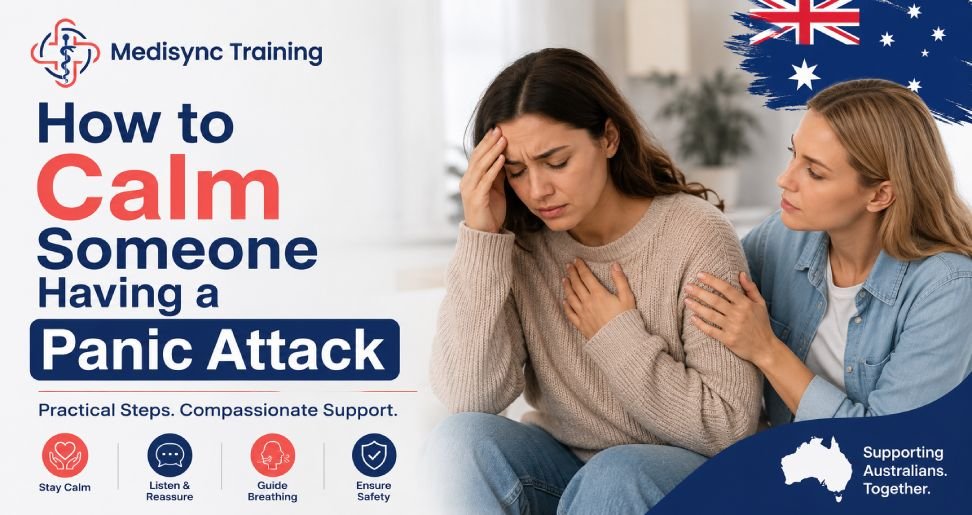
Panic attacks can happen unexpectedly and often leave both the person experiencing them and those around them feeling overwhelmed. Whether you’re at work, at home, in a shopping centre, or on public transport, knowing how to calm someone having a panic attack can make a significant difference.
In Australia, mental health awareness has grown considerably over the past decade, but many people still feel uncertain about how to respond when someone is in distress. Understanding what a panic attack looks like and knowing the right steps to take can help provide reassurance and support when it is needed most.
What Is a Panic Attack?
A panic attack is a sudden episode of intense fear or anxiety that triggers severe physical and emotional reactions. The symptoms can be frightening and may resemble those of a heart attack or other medical emergency.
Common symptoms include:
- Rapid heartbeat
- Shortness of breath
- Chest discomfort
- Dizziness or light-headedness
- Sweating
- Trembling or shaking
- Feeling detached from reality
- Fear of losing control
- Tingling sensations in the hands or feet
Although panic attacks are generally not life-threatening, they can feel extremely real and frightening to the person experiencing them.
Stay Calm Yourself
One of the most important things you can do is remain calm. People experiencing a panic attack often look to those around them for reassurance. If you appear anxious or panicked, it may unintentionally increase their distress.
Speak in a steady, gentle tone and avoid making sudden movements. Your calm presence can help create a sense of safety and stability.
Move to a Quiet and Safe Space
If possible, guide the person to a quieter environment away from crowds, loud noises, or other stressors. This might be a quiet office room, a shaded outdoor area, or a less busy part of a building.
However, avoid forcing them to move if they do not feel comfortable. Simply reducing stimulation can often help lessen the intensity of the panic attack.
Encourage Slow Breathing
During a panic attack, many people begin breathing rapidly, which can worsen symptoms such as dizziness and chest tightness.
Encourage slow, controlled breathing by suggesting they:
- Inhale gently through the nose for four seconds
- Hold for a moment
- Exhale slowly through the mouth for six seconds
You can model the breathing pattern yourself so they can follow along. Avoid telling them to “just relax” or “calm down,” as these phrases may feel dismissive.
Use Reassuring Language
Simple, supportive statements can be incredibly helpful.
Try saying:
- “You’re safe right now.”
- “I’m here with you.”
- “This feeling will pass.”
- “Take your time.”
- “You’re not alone.”
Avoid arguing about whether their fears are rational. Instead, focus on providing reassurance and helping them feel grounded in the present moment.
Help Them Focus on Their Surroundings
Grounding techniques can help interrupt the cycle of panic and bring attention back to the present.
A popular method is the 5-4-3-2-1 technique:
- Name 5 things they can see
- Name 4 things they can touch
- Name 3 things they can hear
- Name 2 things they can smell
- Name 1 thing they can taste
This exercise encourages mindfulness and can reduce the intensity of overwhelming thoughts.
Don’t Rush the Process
Panic attacks usually peak within several minutes, but recovery can take longer. Some people may feel exhausted or emotionally drained afterward.
Stay with them if appropriate and allow them the time they need to regain their composure. Avoid pressuring them to return immediately to work, social activities, or other responsibilities.
Know When to Seek Medical Help
While panic attacks are generally not dangerous, it can sometimes be difficult to distinguish them from other medical emergencies.
Seek urgent medical assistance if:
- The person loses consciousness
- They experience severe chest pain that is unusual for them
- Symptoms persist for an extended period
- They have difficulty breathing that does not improve
- You are unsure whether it is a panic attack or another medical condition
When in doubt, contacting emergency services is always the safest option.
Why Mental Health and First Aid Skills Go Hand in Hand
Many Australians are becoming more aware of the importance of first aid training, not only for physical emergencies but also for situations involving mental health crises.
Understanding how to respond to panic attacks, anxiety episodes, and other distressing situations can improve confidence and preparedness in both personal and professional environments. Modern first aid training often includes communication skills, emergency response procedures, and practical techniques that help individuals provide effective support during stressful events. Australian CPR and first aid programs also teach participants how to remain calm under pressure and assess situations appropriately in line with recognised emergency response guidelines. These skills are valuable in workplaces, schools, sporting clubs, and community settings across the country.
Building Confidence Through Professional Training
If you want to feel more prepared for emergencies, investing in accredited training can be a worthwhile step. Organisations such as Medisync Training provide practical, hands-on learning designed to help Australians respond confidently in emergency situations. Whether you’re looking to refresh existing skills or gain new qualifications, professional training can help you feel ready to support others when every second counts.
For those based in Western Australia, enrolling in a CPR Course Midland program can provide valuable lifesaving skills, including CPR techniques, emergency assessment procedures, and the use of automated external defibrillators (AEDs). These nationally recognised courses are designed to equip participants with the confidence and knowledge needed to respond effectively in a variety of emergency situations. Australian CPR training commonly follows recognised emergency response guidelines and is recommended to be refreshed regularly to maintain competency.
Final Thoughts
Knowing how to calm someone having a panic attack is an important skill that can make a genuine difference in someone’s life. By staying calm, offering reassurance, encouraging controlled breathing, and helping the person focus on the present moment, you can provide meaningful support during a challenging experience.
As awareness of mental health continues to grow across Australia, developing both emotional support skills and emergency response knowledge can help create safer, more supportive communities. Whether you’re a parent, colleague, teacher, healthcare worker, or simply someone who wants to help others, learning how to respond effectively can empower you to act with confidence when it matters most.
Popular Posts
-
Warning Signs of Heart Attack: An Essential Action Plan
September 7, 2026A heart attack can happen suddenly, and recognising the warning signs early can make a...
-
How Proper Medication Training Reduces Risks for Vulnerable Adults
September 2, 2026Vulnerable adults may rely on careers and support workers to help them manage their medicines...
-
Burns First Aid Treatment Steps Australia: What to Do When a Burn Happens
August 12, 2026Burn injuries can happen unexpectedly at home, at work, in childcare settings, or while cooking....
-
Common CPR Mistakes That Reduce Survival Rates
July 3, 2026When someone suffers a sudden cardiac arrest, every second counts. Immediate, high-quality CPR can significantly...
-
How to Calm Someone Having a Panic Attack: A Practical Guide for Australians
June 5, 2026Panic attacks can happen unexpectedly and often leave both the person experiencing them and those...