
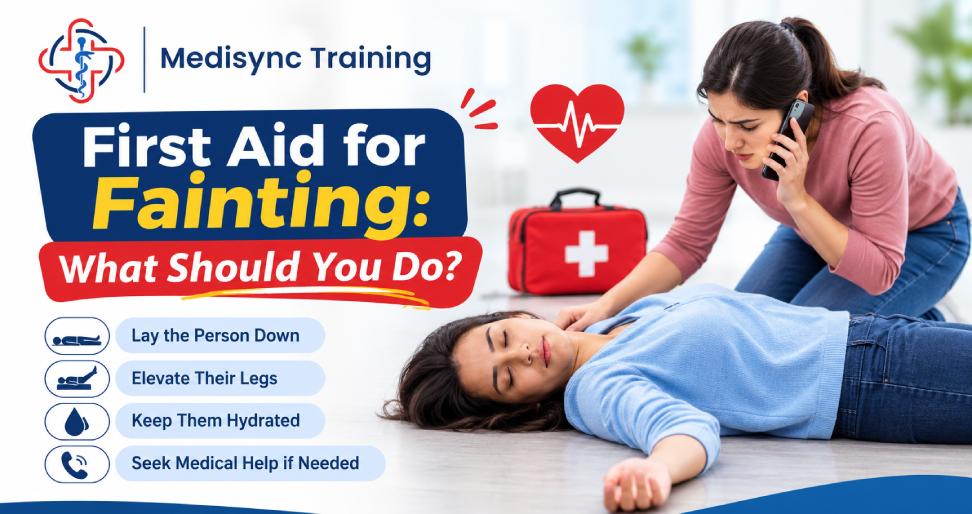
First Aid for Fainting: What Should You Do?
November 11, 2026
Fainting can happen suddenly and without much warning. A person may feel dizzy, weak, sweaty, or lightheaded before briefly losing consciousness. Although fainting is often temporary and may not indicate a serious medical condition, knowing how to respond can prevent injuries and help protect someone’s health.
Understanding the correct first aid for fainting is important for everyone, whether at home, in the workplace, at school, or in a public place. Acting quickly and calmly can make a significant difference while waiting for medical assistance.
In this guide, we will explain the common causes of fainting, warning signs to recognise, immediate first-aid steps, and situations that require emergency medical attention.
What Is Fainting?
Fainting, medically known as syncope, is a temporary loss of consciousness caused by a reduction in blood flow to the brain. It usually lasts for a short period, and most people regain consciousness relatively quickly.
Fainting can occur due to several factors, including dehydration, low blood pressure, prolonged standing, emotional stress, overheating, or certain underlying medical conditions.
Although many fainting episodes are harmless, repeated or unexplained fainting should always be evaluated by a healthcare professional.
Common Causes of Fainting
Understanding what causes fainting can help people recognise potential risks and take preventive measures.
Some common causes include:
1. Dehydration: Not drinking enough water can reduce blood volume and contribute to low blood pressure, increasing the likelihood of fainting.
2. Low Blood Sugar: Skipping meals or certain medical conditions can cause blood sugar levels to drop, leading to weakness, dizziness, and sometimes loss of consciousness.
3. Prolonged Standing: Standing in one position for an extended period, particularly in hot or crowded environments, may affect blood circulation.
4. Sudden Changes in Body Position: Standing up too quickly can cause a temporary drop in blood pressure, resulting in dizziness or faintness.
5. Emotional Stress: Extreme fear, anxiety, emotional shock, or sudden pain can trigger a fainting episode.
6. Medical Conditions: Heart rhythm abnormalities, cardiovascular problems, and other health conditions may also cause fainting and require medical evaluation.
Warning Signs That Someone May Faint
Recognising the early symptoms of fainting allows you to take action before the person loses consciousness.
Common warning signs include:
- Sudden dizziness or lightheadedness.
- Excessive sweating.
- Pale or clammy skin.
- Blurred or tunnel vision.
- Feeling unusually weak or tired.
- Nausea or an upset stomach.
- Feeling unusually hot.
- Difficulty maintaining balance.
If someone experiences these symptoms, encourage them to sit or lie down immediately to reduce the risk of falling and getting injured.
First Aid for Fainting: What Should You Do?
Knowing the correct first-aid procedure is essential when someone suddenly faints. Follow these steps to provide immediate assistance.
1. Stay Calm and Check the Surroundings
First, remain calm and make sure the surrounding area is safe. Move away any objects that could cause further injury. Ask someone nearby to assist if necessary.
Avoid crowding the person and allow fresh air to circulate.
2. Check for Responsiveness
Gently tap the person’s shoulders and speak loudly to check whether they respond.
If the person does not respond, call for help and check their breathing. Look for normal chest movement and listen for breathing for no more than 10 seconds.
3. Help the Person Lie Down
If there is no indication of an injury, help the person lie flat on their back. Raising their legs slightly may help improve blood flow towards the brain.
Avoid moving someone unnecessarily if you suspect a serious neck, back, or spinal injury.
4. Check Their Breathing
If the person is breathing normally but remains unresponsive, place them in the recovery position, provided there is no suspected spinal injury. This helps keep the airway open.
Continue monitoring their breathing and responsiveness until medical assistance arrives.
If the person is not breathing normally or is only gasping, call emergency services immediately, begin CPR, and use an Automated External Defibrillator (AED) if available. Follow the instructions of the AED and provide CPR according to your training.
5. Loosen Tight Clothing
Loosen tight clothing around the neck, chest, and waist to improve comfort and avoid unnecessary restriction.
Keep the person comfortable and protect them from excessive heat or cold.
6. Allow Time for Recovery
Most people experiencing a simple fainting episode regain consciousness quickly. However, do not rush them to stand up.
Once fully alert and feeling better, help them sit up gradually. Water may be offered only when the person is completely awake and able to swallow safely.
7. Seek Medical Assistance When Necessary
Even if the person recovers quickly, unexplained or first-time fainting should be discussed with a healthcare professional to identify the underlying cause.
If there are concerning symptoms, do not delay emergency assistance.
When Should You Call Emergency Services?
Fainting sometimes indicates a serious medical emergency. Call emergency services (112 in India, or the appropriate local ambulance service) if the person:
- Does not regain consciousness within one minute.
- Has difficulty breathing or is not breathing normally.
- Experiences chest pain or an irregular heartbeat.
- Has difficulty speaking or moving after regaining consciousness.
- Experiences seizure-like movements.
- Suffers a serious injury during the fall.
- Faints during physical exercise.
- Faints while lying down.
- Does not fully recover or experiences repeated episodes.
Never assume that prolonged unconsciousness is simply an ordinary fainting episode.
What Should You NOT Do When Someone Faints?
While providing first aid, certain common mistakes can make the situation worse.
Avoid the following actions:
- Do not slap, shake, or unnecessarily move the person.
- Do not force them to stand or walk immediately after recovery.
- Do not pour water on their face.
- Do not give food, water, or medicine while they are unconscious or not fully alert.
- Do not place anything inside their mouth.
- Do not leave an unconscious person alone.
- Do not ignore breathing difficulties or other emergency symptoms.
Providing appropriate first aid and knowing when to seek professional help are essential for the person’s safety.
How Can You Prevent Fainting?
Although not every fainting episode can be prevented, certain habits may help reduce the risk.
- Drink sufficient water throughout the day.
- Avoid skipping regular meals.
- Stand up slowly after sitting or lying down.
- Avoid standing still for long periods.
- Stay in cool and well-ventilated environments.
- Recognise early warning signs and sit or lie down immediately.
- Consult a healthcare professional if fainting happens repeatedly.
People with existing medical conditions should follow their healthcare professional’s advice regarding prevention and management.
Why Is First Aid Training Important?
Medical emergencies can occur anywhere, and professional medical assistance may not always be immediately available. In such situations, a person with basic first-aid knowledge can provide timely assistance and help reduce the risk of further complications.
First-aid training teaches individuals how to assess emergencies, recognise warning signs, check responsiveness and breathing, provide appropriate assistance, and understand when emergency services are required.
These skills are valuable for students, healthcare professionals, employees, caregivers, and anyone who wants to contribute to a safer environment.
Learn Essential First Aid Skills with Medisync Training
Being prepared for an emergency starts with learning the right skills. Medisync Training encourages individuals to develop essential first-aid knowledge and understand how to respond confidently to unexpected medical situations.
From recognising fainting symptoms to understanding emergency response procedures, gaining practical first-aid knowledge can help you make informed decisions when every moment matters.
Whether you want to improve your personal safety knowledge or develop skills that can be useful in professional environments, learning first aid is a valuable step towards becoming better prepared.
Explore Medisync Training to learn more about first-aid awareness and the importance of emergency preparedness.
Frequently Asked Questions (FAQs):-
1. What should you do immediately when someone faints?
Help the person lie flat on their back, check their responsiveness and breathing, and raise their legs slightly if there is no suspected injury. Seek emergency assistance if they do not recover promptly or show concerning symptoms.
2. How long does a person usually remain unconscious after fainting?
A simple fainting episode generally lasts a short time, and the person usually regains consciousness within seconds. If they remain unresponsive for one minute, call emergency services.
3. Should you give water to someone who has fainted?
Never give water while someone is unconscious. Offer small amounts only after the person has fully regained consciousness and can swallow safely.
4. When should fainting be considered a medical emergency?
Fainting accompanied by chest pain, breathing difficulties, an irregular heartbeat, seizure-like movements, serious injuries, or prolonged unconsciousness requires immediate medical attention.
5. Can dehydration cause fainting?
Yes. Dehydration can reduce blood volume and contribute to low blood pressure, which may cause dizziness or fainting.
6. Why should everyone learn first aid?
First-aid knowledge helps people recognise emergencies, provide appropriate initial assistance, prevent avoidable injuries, and respond more confidently while waiting for professional medical help.
Conclusion
Fainting may be temporary, but knowing how to respond correctly is extremely important. Checking responsiveness, monitoring breathing, positioning the person safely, and recognising emergency warning signs are essential steps in providing effective first aid.
Do not underestimate the importance of emergency preparedness. Learning basic first-aid skills through Medisync Training can help you become more confident and better prepared to respond when someone needs immediate assistance.
Learn today. Be prepared tomorrow. Your knowledge could make a difference.
Popular Posts
-
Diabetic Emergency First Aid: Symptoms, Immediate Response and Essential Life-Saving Skills
November 20, 2026A diabetic emergency can happen suddenly and may become life-threatening if the right first aid...
-
Diabetic Emergency First Aid: What You Need to Know
November 18, 2026Diabetes is a common health condition that affects how the body regulates blood glucose (blood...
-
First Aid for Low Blood Sugar and Hypoglycaemia: Symptoms, Causes and Emergency Treatment
November 16, 2026Low blood sugar, medically known as hypoglycaemia, is a condition that occurs when the glucose...
-
Fainting vs Seizure: How to Tell the Difference
November 13, 2026Understanding the difference between fainting and a seizure is important because both conditions can cause...
-
First Aid for Fainting: What Should You Do?
November 11, 2026Fainting can happen suddenly and without much warning. A person may feel dizzy, weak, sweaty,...