First Aid for Dislocations: What to Do and What to Avoid
October 13, 2026
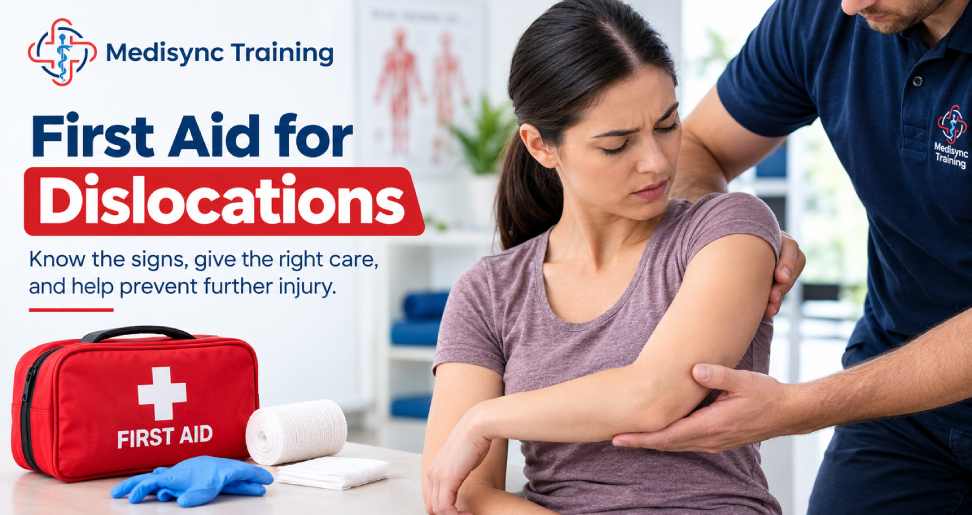
A dislocation occurs when a bone is forced out of its normal position within a joint. It can happen suddenly because of a fall, sports injury, road accident, or unexpected impact. Dislocations commonly affect the shoulders, fingers, knees, elbows, and hips. They can cause severe pain, swelling, bruising, and difficulty moving the affected joint.
Knowing the correct first aid for dislocations is essential because improper handling can worsen the injury, damage surrounding tissues, or affect nearby nerves and blood vessels. Whether you are at home, in the workplace, or participating in sports, understanding what to do and what to avoid can help prevent further complications until professional medical care is available.
With appropriate first aid knowledge and practical training, individuals can respond more confidently to joint injuries and other medical emergencies.
What Is a Dislocation?
A dislocation happens when the bones forming a joint move out of their normal alignment. Unlike a sprain, which involves stretching or tearing ligaments, a dislocation changes the position of the joint bones. The injury may also damage ligaments, tendons, muscles, nerves, and blood vessels.
Dislocations can be classified into two main types:
- Complete dislocation: The bones forming the joint are completely separated from their normal position.
- Partial dislocation (subluxation): The joint bones are only partially displaced but are no longer properly aligned.
Some dislocations are obvious because the joint looks deformed. Others may be less noticeable, making medical assessment important whenever a serious joint injury is suspected.
Common Signs and Symptoms of a Dislocation
Recognising the warning signs can help you provide appropriate first aid quickly.
Common symptoms include:
- Severe pain: The injured joint may hurt immediately, particularly when someone attempts to move it.
- Visible deformity: The joint may appear unusually shaped or positioned.
- Swelling and bruising: Inflammation and bleeding around the joint can develop.
- Restricted movement: The person may be unable to move the affected limb normally.
- Numbness or tingling: These symptoms can indicate nerve involvement.
- Changes in skin colour or temperature: The hand or foot beyond the injury may become pale, blue, or unusually cold, potentially indicating impaired circulation.
A suspected dislocation should be treated as a medical emergency. Seek urgent medical attention, even if the person can still move the affected limb.
First Aid for Dislocations: What Should You Do?
The primary goals of first aid are to prevent further injury, minimise discomfort, and arrange prompt medical treatment.
1. Ensure the Area Is Safe
Before helping the injured person, check for hazards such as moving vehicles, unstable equipment, or ongoing sports activity. If the injury occurred in an unsafe environment, make the area safe only when possible without putting yourself at risk.
Encourage the person to remain still and avoid unnecessary movement.
2. Reassure the Injured Person
A dislocation can be frightening and extremely painful. Speak calmly, explain that help is being arranged, and encourage the person to remain as comfortable as possible.
Avoid asking them to repeatedly move the injured joint to demonstrate the extent of the injury.
3. Keep the Joint Still
Support the affected joint in the position in which it was found. Use a sling, folded clothing, cushions, or other suitable soft materials to provide support, provided this can be done without causing additional pain.
Do not attempt to straighten the limb or force the joint into a normal position. Unnecessary movement can worsen damage to ligaments, nerves, blood vessels, and surrounding tissues.
If you suspect a hip, neck, or spinal injury, avoid moving the person unless there is immediate danger.
4. Apply a Cold Pack Carefully
A cold pack wrapped in a towel may help reduce pain and swelling. Apply it gently around the injured area without putting pressure on the deformed joint.
Never apply ice directly to the skin. Do not use a cold pack if it increases pain or if the affected area has reduced sensation or suspected circulation problems.
Cold therapy is only a temporary measure and does not replace medical treatment.
5. Check Circulation and Sensation
If possible, observe the fingers or toes beyond the injured joint. Look for unusual colour changes, coldness, numbness, tingling, or worsening pain.
These signs may indicate damage to blood vessels or nerves and require emergency assessment. Do not delay seeking help to perform repeated checks.
6. Seek Urgent Medical Care
Arrange prompt medical assessment for every suspected dislocation. Call emergency services if the injury is severe, the person has significant deformity, there is an open wound, the limb becomes cold or discoloured, or the person develops numbness or weakness.
In Australia, call Triple Zero (000) for an emergency. In other locations, use the local emergency number.
A healthcare professional may require an X-ray or other investigation to confirm the injury, identify associated fractures, and determine the appropriate treatment.
What Should You Avoid When Treating a Dislocation?
Knowing what not to do is just as important as knowing the correct first aid steps.
1. Never Try to Put the Joint Back Yourself
Do not attempt to push, pull, twist, or manipulate the bone into its original position. This procedure, known as reduction, should be performed by an appropriately trained healthcare professional.
Untrained attempts can cause fractures, nerve damage, blood vessel injuries, or further soft-tissue damage.
2. Do Not Force Movement
Avoid stretching the affected limb, testing its range of motion, or encouraging the person to walk on an injured joint. Movement may increase pain and worsen the injury.
3. Do Not Apply Direct Pressure to a Deformed Joint
Support the joint gently, but avoid tight bandages or pressure that could restrict circulation. If bleeding is present, apply appropriate pressure to the bleeding wound without pressing directly on exposed bone or worsening the deformity.
4. Do Not Ignore Numbness or Colour Changes
Numbness, tingling, unusual coldness, and pale or blue skin can signal a serious complication. Do not assume these symptoms will resolve on their own.
5. Do Not Delay Medical Treatment
Even if the pain decreases, the joint appears less swollen, or the person feels able to move, a dislocation may still require urgent treatment. Delays can increase the risk of complications and prolonged recovery.
How Is a Dislocation Treated?
Treatment depends on the affected joint, the severity of the injury, and whether associated fractures or tissue damage are present.
Medical professionals may use the following approaches:
- Joint reduction: A qualified clinician carefully returns the bones to their correct position.
- Immobilisation: A sling, splint, or brace may protect the joint during early recovery.
- Pain management: Appropriate medication may be recommended or administered.
- Imaging and assessment: X-rays or other investigations may help identify fractures and complications.
- Rehabilitation: Physiotherapy and prescribed exercises can help restore strength, mobility, and joint stability.
Some severe or recurrent dislocations may require surgery. Following medical advice and completing the recommended rehabilitation programme are important for recovery.
Why First Aid Training Matters
Dislocations can occur at any time, including at workplaces, schools, sporting events, and in everyday life. People who understand first aid are better prepared to recognise warning signs, protect an injured person, and seek appropriate assistance.
Medisync Training supports first aid education by helping learners develop the knowledge and confidence needed to respond to injuries and medical emergencies. Practical training can help participants understand injury assessment, safe support techniques, emergency response, and the importance of avoiding harmful interventions.
If you want to improve your emergency preparedness or help your team develop essential safety skills, explore Medisync Training’s First Aid Training Services to learn more about available training options.
Developing these skills can make a meaningful difference when someone needs immediate assistance.
Conclusion
First aid for dislocations focuses on keeping the injured joint still, providing gentle support, monitoring for signs of complications, and arranging urgent medical care. Never attempt to reposition the joint yourself, force movement, or ignore symptoms such as numbness, severe pain, or changes in skin colour.
Although first aid cannot replace professional treatment, a calm and informed response can help reduce the risk of further injury. Learning the correct techniques through reputable training providers such as Medisync Training can help individuals and workplaces become better prepared for unexpected emergencies.
Popular Posts
-
First Aid for Amputations: Emergency Response Guide
October 21, 2026An amputation is a serious medical emergency that occurs when a body part, such as...
-
First Aid for Neck Injuries After an Accident: What You Should Do
October 16, 2026Neck injuries can occur unexpectedly after road accidents, workplace incidents, sports injuries, or accidental falls....
-
First Aid for Back and Spinal Injuries: What You Should Do in an Emergency
October 15, 2026Back and spinal injuries can occur unexpectedly at home, in the workplace, during sports activities,...
-
First Aid for Joint Injuries: Essential Steps to Reduce Pain and Prevent Further Damage
October 14, 2026Joint injuries can happen unexpectedly during sports, exercise, workplace activities, household tasks, or everyday movement....
-
First Aid for Dislocations: What to Do and What to Avoid
October 13, 2026A dislocation occurs when a bone is forced out of its normal position within a...