
Anaphylaxis Action Plan Australia Template: A Practical Guide for Individuals, Schools and Workplaces
August 17, 2026
Anaphylaxis is a severe and potentially life-threatening allergic reaction that requires immediate action. In Australia, having a clear anaphylaxis action plan can help families, schools, childcare centres, workplaces and community organisations respond quickly when an emergency occurs.
A well-prepared plan identifies the person’s allergies, emergency contacts, prescribed adrenaline device and the steps to follow when symptoms appear. The Australasian Society of Clinical Immunology and Allergy (ASCIA) provides nationally recognised action plans designed for use in the Australian community. The 2026 ASCIA plans are available in general and adrenaline-device-specific versions.
What Is an Anaphylaxis Action Plan?
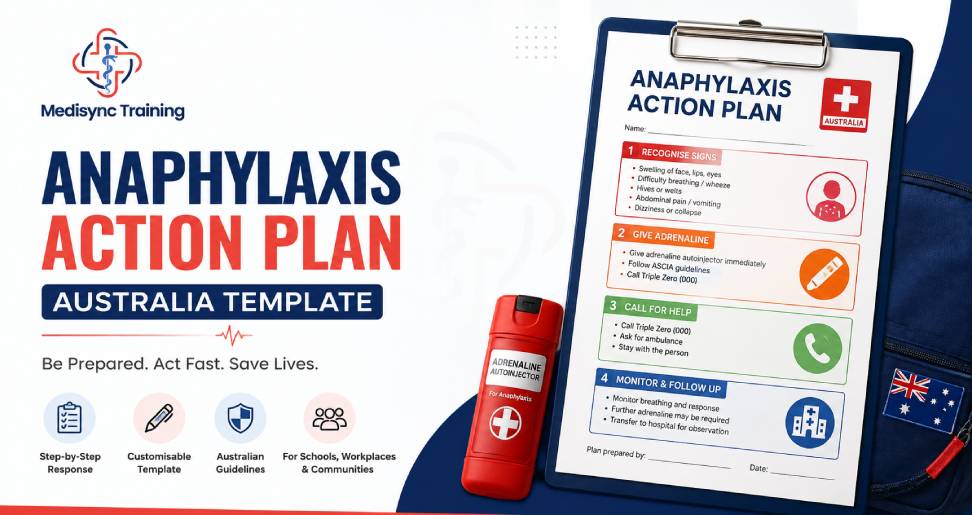
An anaphylaxis action plan is a written emergency response document for someone who has a medically confirmed allergy and has been prescribed an adrenaline (epinephrine) device.
The purpose is simple: make the correct emergency response clear when every second matters.
The ASCIA 2026 general Action Plan for Anaphylaxis includes personal details, confirmed allergens, emergency contacts, prescribed adrenaline device information and instructions for recognising and responding to allergic reactions. The plan is completed and authorised by the person’s treating doctor or another prescriber of adrenaline.
It is important to remember that an action plan should not be created by simply copying medical instructions from the internet. Individual plans should be completed according to the advice of the person’s healthcare professional.
What Should an Australian Anaphylaxis Action Plan Template Include?
When looking for an anaphylaxis action plan Australia template, the following information is typically important:
1. Personal Information
The plan should clearly identify the person at risk. This can include:
- Full name
- Date of birth
- Photograph where required
- Confirmed allergen or allergens
- Relevant emergency contact details
Having accurate information helps teachers, carers, colleagues and first aiders identify the correct plan quickly.
2. Emergency Contacts
Include parents, guardians, family members or other nominated emergency contacts and their current telephone numbers.
For children, it is particularly important that schools and childcare services have up-to-date contact information.
3. Prescribed Adrenaline Device
The plan should identify the adrenaline device prescribed for the individual. Australia has several adrenaline devices available, and ASCIA provides device-specific plans for products including EpiPen, Anapen, Jext and neffy. Availability and PBS status can change, so users should follow current professional guidance.
4. Signs and Symptoms
Recognising anaphylaxis quickly is critical. Symptoms can include:
- Swelling of the tongue
- Difficulty or noisy breathing
- Swelling or tightness in the throat
- Wheezing or persistent coughing
- Difficulty speaking or a hoarse voice
- Persistent dizziness or collapse
- Pale and floppy appearance in young children
- Abdominal pain or vomiting in certain insect-allergy situations
Importantly, anaphylaxis can occur without obvious skin symptoms.
What to Do During an Anaphylaxis Emergency
An action plan should make emergency steps easy to understand.
According to the current ASCIA first aid guidance, a person experiencing anaphylaxis should be laid flat and should not be allowed to stand or walk. If the person is unconscious, the recovery position is recommended; during pregnancy, the person should be placed on their left side. If breathing is difficult, they may sit with their legs outstretched. Young children should be kept flat rather than held upright.
The next critical step is to give the prescribed adrenaline device.
In Australia, emergency medical assistance should then be requested by calling 000. If there is no response after five minutes, further adrenaline may be given according to the person’s action plan and available device. The person should be transferred to hospital for medical observation.
If the person becomes unresponsive or is not breathing normally, CPR should be commenced.
Why Adrenaline Comes First
Adrenaline is the first-line treatment for anaphylaxis. Delaying adrenaline can have serious consequences.
ASCIA advises giving adrenaline immediately when anaphylaxis is suspected. For people with known asthma and a relevant allergy who develop sudden breathing difficulty after possible allergen exposure, adrenaline should be given first, followed by an asthma reliever if appropriate.
Antihistamines are not a substitute for adrenaline during anaphylaxis. They may have a role in managing some mild allergic reactions, but they do not replace emergency treatment for severe reactions.
Anaphylaxis Action Plans in Schools and Childcare
Schools and childcare centres should ensure staff know where individual action plans and adrenaline devices are kept.
A practical system may include:
- Keeping the current plan accessible to authorised staff.
- Ensuring the prescribed adrenaline device is readily available.
- Training relevant staff in recognising anaphylaxis.
- Providing practical instruction on adrenaline devices.
- Keeping emergency contact information current.
- Reviewing procedures whenever a child’s medical circumstances change.
- Conducting regular emergency-response practice.
Training is particularly valuable because reading a template is different from knowing how to respond confidently during an emergency. Organisations such as Medisync Training can support workplaces and community organisations with first aid and emergency-response education relevant to Australian settings.
Anaphylaxis Plans in the Workplace
Adults with allergies may also need an action plan at work. Employers can support safer workplaces by encouraging appropriate first aid training and ensuring nominated first aiders know how to respond to an allergic emergency.
Where appropriate, an employee may keep their action plan and prescribed adrenaline device in an accessible location. Colleagues should know who to contact and how to call emergency services.
The goal is not to make colleagues diagnose an allergy. Instead, workplace procedures should help people recognise potentially serious symptoms and follow the individual’s medical action plan promptly.
Keeping the Template Updated
An action plan should be reviewed whenever relevant medical information changes. This may include a change in prescribed adrenaline device, allergy diagnosis, emergency contacts or medical recommendations.
ASCIA states that its Action Plans do not expire, although the recommended review date is intended to encourage patients to consult their doctor or prescriber.
The latest 2026 ASCIA resources should be used when preparing or updating community anaphylaxis procedures. ASCIA also provides instructions for different adrenaline devices.
Where to Find an Anaphylaxis Action Plan Australia Template
For an official Australian template, the best starting point is the current ASCIA Action Plan for Anaphylaxis rather than an unofficial downloadable template. ASCIA provides both a general two-page version and device-specific versions. The general plan contains the person’s details and emergency instructions, while the second page provides instructions for adrenaline devices.
Remember that the ASCIA Action Plan is a medical document and should be completed and authorised by the appropriate prescriber. It should not be independently modified without medical approval.
Conclusion
An effective anaphylaxis action plan Australia template provides a clear framework for responding to a potentially life-threatening allergic reaction. It should identify the person, their confirmed allergens, emergency contacts and prescribed adrenaline device while providing straightforward instructions for recognising symptoms and taking immediate action.
For families, schools, childcare centres and workplaces, having an up-to-date plan is only one part of preparedness. People responsible for first aid should also understand how to recognise anaphylaxis, administer the relevant adrenaline device and activate emergency medical assistance.
For official resources, use the latest ASCIA Action Plan and First Aid Plan for Anaphylaxis. Practical first aid and emergency-response training can further improve confidence and preparedness, making organisations better equipped to respond when an allergic emergency occurs.
Popular Posts
-
First Aid for Severe Hand Injuries: Essential Steps to Prevent Further Damage
October 26, 2026Hand injuries can happen at home, in the workplace, during sports, or while using tools...
-
First Aid for Amputations: Emergency Response Guide
October 21, 2026An amputation is a serious medical emergency that occurs when a body part, such as...
-
First Aid for Neck Injuries After an Accident: What You Should Do
October 16, 2026Neck injuries can occur unexpectedly after road accidents, workplace incidents, sports injuries, or accidental falls....
-
First Aid for Back and Spinal Injuries: What You Should Do in an Emergency
October 15, 2026Back and spinal injuries can occur unexpectedly at home, in the workplace, during sports activities,...
-
First Aid for Joint Injuries: Essential Steps to Reduce Pain and Prevent Further Damage
October 14, 2026Joint injuries can happen unexpectedly during sports, exercise, workplace activities, household tasks, or everyday movement....