
What are the 7 essential life skills every child needs?
March 17, 2026
Children’s growth isn’t defined only by academic success—it’s also shaped by the life skills that protect their health, safety, and emotional well-being. From a medical perspective, equipping children with essential life skills helps prevent injuries, manage emergencies, and promote lifelong healthy habits. These skills not only empower children but also contribute to safer families and communities.
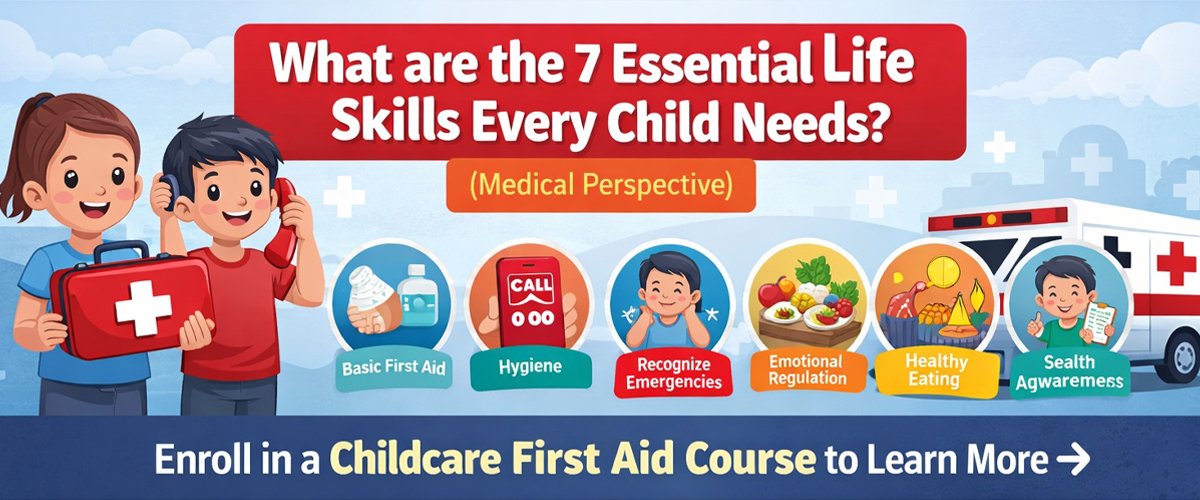
Here are 7 essential life skills every child needs, viewed through a health and medical lens.
1. Basic First Aid Knowledge
One of the most critical skills a child can learn is how to respond during a medical emergency. While they may not handle complex situations, children can be taught simple actions like calling emergency services, identifying injuries, or applying basic care.
For example, knowing how to clean a minor wound, apply pressure to stop bleeding, or seek adult help can prevent complications. Early exposure to first aid training builds confidence and encourages calm responses during emergencies.
2. Hygiene and Infection Prevention
Good hygiene is one of the most effective ways to prevent illness. Children should learn the importance of regular handwashing, especially before meals and after using the restroom.
Teaching habits like covering the mouth while coughing, maintaining oral hygiene, and keeping their surroundings clean helps reduce the spread of infections such as colds, flu, and gastrointestinal illnesses. These practices form the foundation of public health awareness.
3. Recognizing Medical Emergencies
Children should be able to identify when a situation is serious and requires immediate help. This includes recognizing symptoms like difficulty breathing, severe bleeding, unconsciousness, or high fever.
Understanding warning signs enables children to act quickly—whether that means informing an adult, calling emergency services, or staying with someone in distress. This awareness can significantly reduce response time in critical situations.
4. Emotional Regulation and Stress Management
Mental health plays a vital role in overall well-being. Children often experience stress, anxiety, or frustration but may not know how to manage these emotions.
Teaching simple techniques like deep breathing, expressing feelings, or taking a break can help regulate emotions. Emotional control reduces the risk of behavioral issues and supports healthy brain development.
5. Nutrition and Healthy Eating Habits
A balanced diet is essential for physical growth, immune function, and cognitive development. Children should understand the importance of eating nutritious foods, staying hydrated, and avoiding excessive junk food.
Basic knowledge about food groups—such as fruits, vegetables, proteins, and whole grains—helps children make healthier choices. These habits, when developed early, reduce the risk of obesity, diabetes, and other lifestyle-related conditions later in life.
6. Safety Awareness and Injury Prevention
Children are naturally curious, which can sometimes lead to accidents. Teaching safety awareness helps them recognize risks in their environment—whether at home, school, or outdoors.
This includes understanding road safety, avoiding dangerous objects, and knowing how to behave in unfamiliar situations. Simple lessons like not touching hot surfaces, staying away from sharp tools, or wearing protective gear during play can prevent injuries.
7. Communication in Health Situations
Children should be encouraged to communicate when something feels wrong physically or emotionally. Being able to describe symptoms like pain, dizziness, or discomfort helps caregivers respond quickly and accurately.
This skill also includes knowing important information such as their name, address, and emergency contact details. Clear communication is essential in ensuring timely medical care.
Give Children the Skills to Save Lives
Teaching children basic safety and health skills is important—but proper training makes a real difference. Whether you’re a parent, teacher, or caregiver, being prepared for emergencies involving children is essential.
Take the next step with a Childcare First Aid Course and learn how to confidently handle emergencies like choking, injuries, allergic reactions, and more.
By focusing on first aid awareness, hygiene, emotional well-being, and safety, parents and educators can create a strong foundation for healthier futures. In a world where emergencies and health challenges can arise unexpectedly, these essential life skills ensure that children are not just protected—but prepared.
Popular Posts
-
First Aid for Severe Hand Injuries: Essential Steps to Prevent Further Damage
October 26, 2026Hand injuries can happen at home, in the workplace, during sports, or while using tools...
-
First Aid for Amputations: Emergency Response Guide
October 21, 2026An amputation is a serious medical emergency that occurs when a body part, such as...
-
First Aid for Neck Injuries After an Accident: What You Should Do
October 16, 2026Neck injuries can occur unexpectedly after road accidents, workplace incidents, sports injuries, or accidental falls....
-
First Aid for Back and Spinal Injuries: What You Should Do in an Emergency
October 15, 2026Back and spinal injuries can occur unexpectedly at home, in the workplace, during sports activities,...
-
First Aid for Joint Injuries: Essential Steps to Reduce Pain and Prevent Further Damage
October 14, 2026Joint injuries can happen unexpectedly during sports, exercise, workplace activities, household tasks, or everyday movement....