
Snake Bite First Aid in Australia: Know It Before You Need It
January 13, 2026
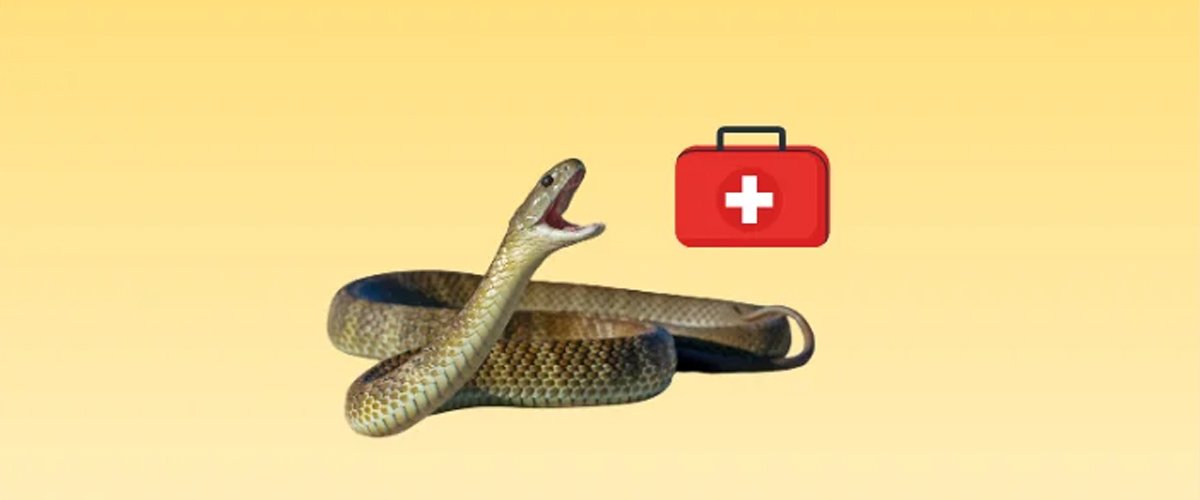
Western Australia is home to some of the most venomous snakes in the world, including the Western Brown Snake, Dugite, Tiger Snake and Death Adder. While snake bites aren’t an everyday occurrence, they can be life-threatening if not managed correctly. Knowing the right first aid steps can make all the difference while waiting for emergency help to arrive.
Common Venomous Snakes in WA
While there are many snake species in Western Australia, some of the most medically significant include:
- Western Brown Snake – Common across much of WA, often found near human activity
- Dugite – Frequently encountered in the south-west, including Perth suburbs
- Tiger Snake – Found near wetlands, rivers and coastal areas
- Death Adder – Short, thick-bodied and well camouflaged, often ambushes prey
Importantly, you don’t need to identify the snake to provide effective first aid.
Signs and Symptoms of a Snake Bite
Not all snake bites cause immediate pain or obvious symptoms, which is why every suspected bite should be treated seriously.
Local Signs May Include:
- Fang marks (may be hard to see)
- Mild pain, redness or swelling at the bite site
- Bleeding or bruising
General Symptoms May Include:
- Headache or dizziness
- Nausea or vomiting
- Abdominal pain
- Sweating
- Difficulty breathing
- Blurred vision or drooping eyelids
- Collapse or loss of consciousness
Symptoms may be delayed, so don’t wait for signs to appear before acting.
What to Do Immediately After a Snake Bite
When it comes to snake bites, what you do in the first few minutes matters more than almost anything else. The goal of first aid is simple: slow the spread of venom until professional medical treatment is available.
1. Stop, Stay Still, and Stay Calm
Panic and movement speed up the spread of venom. Reassure the casualty and encourage slow, steady breathing. Even walking a short distance after a bite can significantly worsen the situation.
2. Call 000 Immediately
Snake bites are always a medical emergency in Australia, even if the person feels “okay” at first. Tell the operator:
- That it’s a suspected snake bite
- Your exact location
- Whether the casualty is conscious and breathing
3. Apply a Pressure Immobilisation Bandage
- Start bandaging directly over the bite site
- Apply firm, even pressure (similar to a sprained ankle bandage)
- Continue bandaging up the entire limb
- Bandage should be firm but not so tight that it cuts off circulation
- If unsure where the bite occurred, bandage the entire limb
4. Immobilise the Limb
- Use a splint, stick, or rolled clothing
- Secure the limb so it cannot move
- If bitten on the leg, keep the person lying down — do not let them walk
Immobilisation works together with the pressure bandage to slow venom movement.
5. Keep the Casualty Lying Down and Still
The person should lie flat and remain as still as possible until help arrives. Continue to monitor their condition.
If the person becomes unresponsive and stops breathing, commence CPR.
Why Movement Makes Snake Bites Worse
When a bitten limb moves:
- Muscles contract
- Lymph vessels are squeezed
- Venom is pushed faster toward the bloodstream and vital organs
Walking, running, panicking, or repeated limb movement can dramatically increase the speed and severity of venom effects.
Why Pressure Immobilisation Works
Pressure immobilisation is uniquely effective for Australian snake bites because it targets the lymphatic system, not the blood vessels.
- Compresses lymph vessels
- Slows venom movement
- Buys critical time until antivenom can be given
Used together, pressure and immobilisation can delay venom spread for hours, significantly improving survival outcomes.
What NOT to Do — and Why
- Do not wash the bite site. Venom residue helps doctors identify the snake.
- Do not cut or suck the bite. This does not remove venom and can cause infection.
- Do not apply a tourniquet. This can cause severe tissue injury.
- Do not try to catch or kill the snake. Many species are protected, and attempting capture increases the risk of further bites.
A digital photograph may help with identification if safe to do so.
Snake Bites in WA: Preparation Saves Lives
Western Australia’s vast distances and remote worksites make first aid knowledge especially important. Whether on a mine site, farm, hiking trail, or in suburban areas, knowing how venom spreads — and how to slow it — can save a life.
A nationally recognised first aid course teaches:
- Correct pressure immobilisation techniques
- How tight a bandage should be
- How to manage snake bites confidently under pressure
- When and how to start CPR
Get Proper Training – Book with Medisync Training
Reading about snake bite first aid is a great start, but in a real emergency, hands-on training makes all the difference. By completing a nationally recognised first aid course, you’ll gain:
- Practical experience applying pressure immobilisation bandages
- Confidence responding to snake bites and other emergencies
- Skills essential for work, travel, and outdoor life in Western Australia
You can book a first aid course with Medisync Training, an Allens Training Provider delivering accredited courses with experienced trainers and real-world scenarios.
Disclaimer
This content follows the latest Australian and New Zealand Committee on Resuscitation (ANZCOR) Guidelines, including Guideline 9.4.1 – First Aid Management of Australian Snake Bite.
This information is for general education only and is not a substitute for medical advice or formal first aid training. Always seek guidance from a qualified health professional. In an emergency within Australia, call 000 immediately.
Popular Posts
-
Childcare First Aid Course Requirements in Australia: Everything You Need to Know
July 22, 2026Working in the childcare and early education sector comes with significant responsibilities. Whether you are...
-
First Aid Certificate Course Midland WA: Everything You Need to Know Before You Enrol
July 17, 2026Accidents and medical emergencies can happen anywhere—at home, in the workplace, at school, or even...
-
Paediatric Resuscitation Guidelines for Healthcare Workers: An Essential Guide for Australian Clinical Practice
July 8, 2026Paediatric emergencies are among the most challenging situations healthcare workers encounter. Unlike adult patients, infants...
-
Traumatic Cardiac Arrest Management: A Practical Guide for Faster Emergency Response in Australia
July 6, 2026Traumatic cardiac arrest (TCA) is one of the most critical medical emergencies a person can...
-
How to Use an AED in an Emergency: A Step-by-Step Guide for Australians
July 1, 2026Every minute counts during a cardiac emergency. When someone suffers a sudden cardiac arrest (SCA),...