

Burns First Aid: Simple Steps That Can Prevent Serious Damage
February 5, 2026
Burns can happen anywhere — in the kitchen, at work, during recreation, or outdoors. Knowing the correct first aid steps can reduce pain, prevent infection, and improve healing outcomes. Quick action is critical because burns break the skin barrier, increasing the risk of infection if not treated promptly.
This comprehensive guide covers burn types, first aid procedures, complications, first aid kit essentials, and when to seek medical attention — including the widely used “20-cent piece” rule.
What Are Burns?
A burn is an injury to the skin or deeper tissues caused by heat, chemicals, electricity, or radiation. Fast and appropriate first aid lowers the risk of complications such as infection or scarring.
Types of Burns
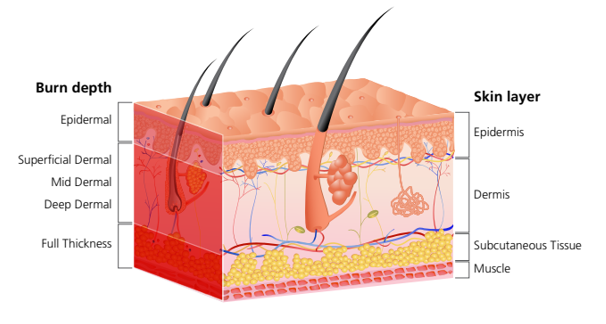
Understanding burn depth helps determine whether home care or medical treatment is needed.
🔥 First-Degree Burns (Superficial)
Affect only the outer layer of the skin (epidermis).
Signs:
- Redness
- Pain
- No blisters
Examples: Mild sunburn or brief contact with a hot object.
🔥🔥 Second-Degree Burns (Partial Thickness)
Involve both the epidermis and dermis.
Signs:
- Blisters
- Red or swollen skin
- Moist or wet appearance
- Significant pain
🔥🔥🔥 Third-Degree Burns (Full Thickness)
Damage all layers of the skin and sometimes underlying tissue.
Signs:
- White, charred, or leathery skin
- Little or no pain (due to nerve damage)
- No blisters
Special Types of Burns
Thermal Burns
Caused by flame, hot liquids, steam, or hot surfaces.
Chemical Burns
Caused by acids or alkalis. Tissue damage may continue and worsen over time if not treated promptly.
Electrical Burns
Can cause severe internal injury with minimal visible surface damage.
Recognising Burn Severity
Seek urgent medical care if the burn involves:
- Deep tissue damage
- The face, hands, feet, groin, or major joints
- Chemical or electrical exposure
- Smoke inhalation (hoarse voice, soot around the mouth or nose)
Burns may initially appear mild but worsen if deeper layers are involved.
Step-by-Step Burns First Aid
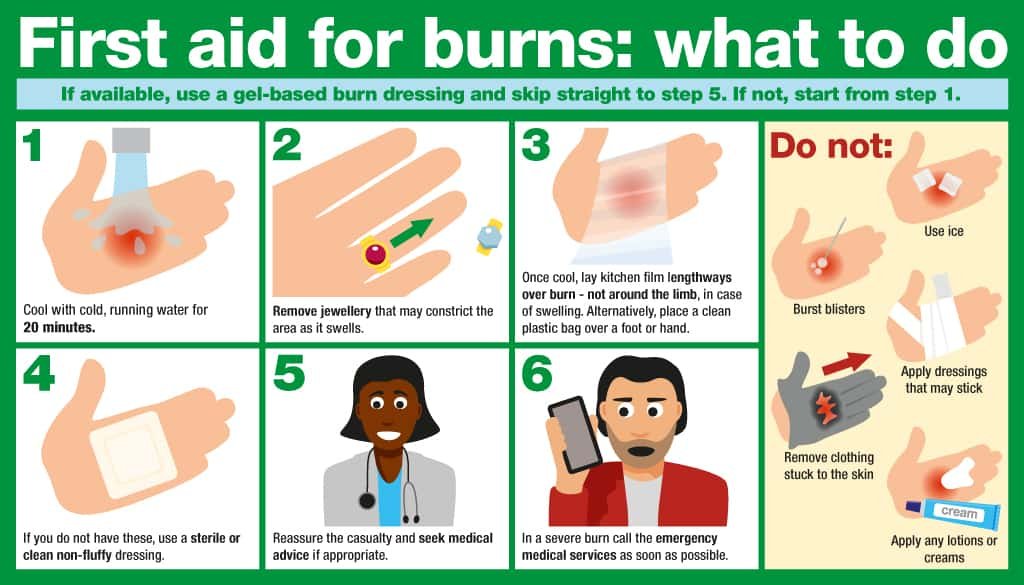
✅ Stop the Burning Process
Remove the person from the heat source or eliminate the cause (e.g., switch off electricity, remove chemicals).
✅ Cool the Burn
Cool under cool running water for at least 20 minutes.
Do not use ice, as it may worsen tissue damage.
✅ Remove Constrictive Items
Remove rings, watches, and tight clothing before swelling develops.
✅ Cover the Burn
Use a clean, non-stick sterile dressing or cloth to protect against infection.
✅ Manage Pain
Use over-the-counter pain relief such as ibuprofen or paracetamol as needed.
❌ What NOT to Do
- Do not apply ice
- Do not apply butter, oils, or toothpaste
- Do not break blisters
- Do not delay medical care for large or deep burns
First Aid for Specific Burn Types
Chemical Burns
- Remove contaminated clothing immediately
- Brush off dry chemicals before rinsing
- Rinse with cool running water for at least 10–20 minutes
- Always seek medical attention
Chemical burns can continue damaging tissue over time.
Electrical Burns
- Ensure the power source is switched OFF before touching the person
- Do not cool with water
- Cover the burn with a dry sterile cloth
- Call emergency services immediately
Electrical burns can cause hidden internal injuries and should always be treated as emergencies.
Thermal Burns
- Cool with running water
- Remove restrictive items
- Cover and monitor
When to Seek Medical Attention (Important Guide)
Seek medical help immediately if:
🚨 1. The Burn Is Larger Than a 20-Cent Piece
Any burn larger than this is generally too large for home care due to increased risks of infection and deeper tissue damage. This is a widely used public first aid guideline.
🚨 2. The Burn Is in a High-Risk Area
Face, hands, feet, eyes, groin, or major joints.
🚨 3. It Is a Chemical or Electrical Burn
These require immediate clinical assessment.
🚨 4. Signs of Infection Develop
- Fever
- Increasing redness
- Pus or discharge
- Worsening pain
🚨 5. Smoke Inhalation or Airway Risk
Soot in the mouth or nose, hoarse voice, coughing, or difficulty breathing are urgent red flags.
Possible Complications of Burns
Without proper care, burns may cause:
- Infection
- Scarring or contractures
- Dehydration
- Shock
Prompt and appropriate first aid significantly reduces these risks.
Burn Prevention Tips
Home Safety
- Turn pot handles inward while cooking
- Keep hot drinks away from children
- Use sun protection outdoors
- Replace frayed cords
- Avoid overloading outlets
- Use outlet covers around children
Chemical Safety
- Store chemicals securely
- Never mix cleaning products (risk of toxic gases)
References (Australia & New Zealand)
- Healthdirect Australia. “Burns and Scalds – First Aid, Treatments, Causes and Prevention.”
- HealthyWA – Government of Western Australia. “Burns First Aid.”
- Raising Children Network (Australia). “First Aid for Burns and Scalds: Children.”
- St John Ambulance NSW. “Burns and Scalds – First Aid Guide.”
- ANZCOR – Australian and New Zealand Committee on Resuscitation. “ANZCOR Guideline 9.1.3 – First Aid for Burns (March 2023).”
- Coastal First Aid (Australia). “How to Treat a Burn – First Aid Guidelines (ANZCOR aligned).”
- Emergency First Aid Melbourne (Australia). “How to Treat Minor Burns at Home – First Aid Tip.”
Disclaimer
This blog is a general guide only and does not replace proper first aid training. Every situation is different, and hands-on practice with up-to-date training makes a significant difference in an emergency. To build real confidence and practical skills, we recommend completing a certified first aid course with Medisync Training.