
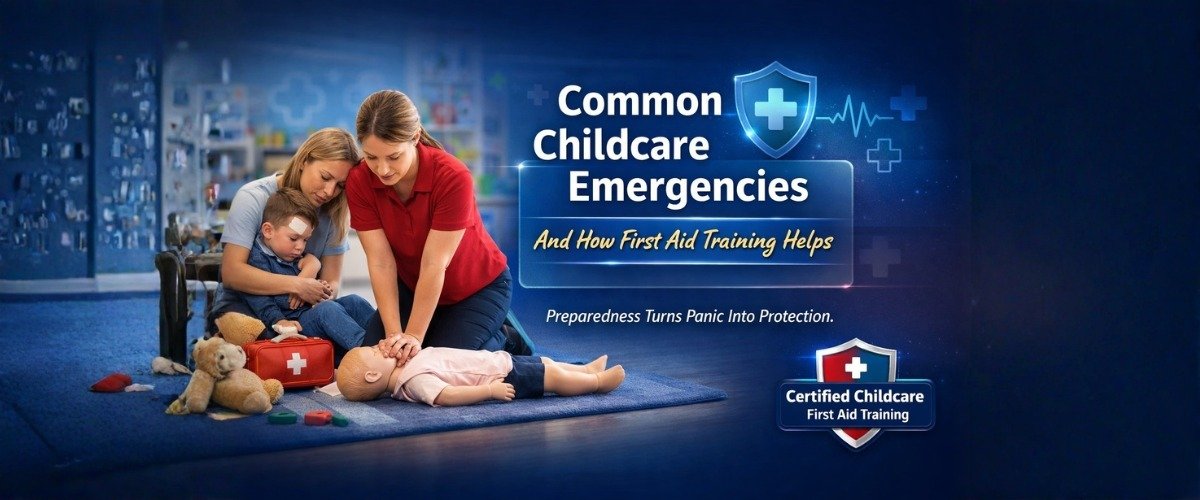
Common Childcare Emergencies and How First Aid Training Helps
March 30, 2026
Children are naturally curious, energetic, and constantly exploring the world around them. While this curiosity supports growth and development, it also increases the risk of accidents and medical emergencies—especially in childcare settings.
From minor bumps to life-threatening allergic reactions, emergencies can occur in seconds. That’s why Childcare First Aid training is not just a qualification—it’s a critical, life-saving skill.
In this blog, we explore the most common childcare emergencies and how professional first aid training empowers educators to respond quickly, confidently, and effectively.
Why First Aid Training is Essential in Childcare
Children rely entirely on adults during emergencies. In those critical moments, fast and informed action can prevent complications, reduce harm, and even save lives.
Professional first aid training provides:
- Practical emergency response skills
- Confidence under pressure
- Knowledge of national safety guidelines
- Compliance with childcare regulations
- Peace of mind for parents
1. Choking Incidents
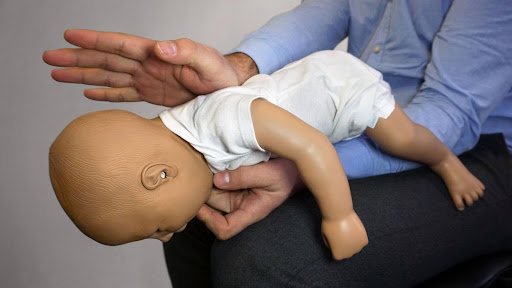
Young children often put toys, food, or small objects in their mouths. Because their airways are small and still developing, choking is one of the most common and dangerous emergencies in childcare environments.
How First Aid Training Helps:
- Recognising signs of choking (silent cough, inability to breathe or cry)
- Performing age-appropriate back blows and chest thrusts
- Acting quickly to prevent brain injury
- Staying calm under pressure
Quick and correct action can save a child’s life within minutes.
2. Allergic Reactions and Anaphylaxis
Food allergies are increasingly common among children. Nuts, dairy, eggs, and insect stings can trigger mild reactions—or severe anaphylaxis.
How First Aid Training Helps:
- Identifying early symptoms (swelling, hives, breathing difficulty)
- Administering an adrenaline auto-injector (e.g., EpiPen)
- Calling emergency services immediately
- Monitoring the child until help arrives
Fast action can prevent a life-threatening situation from becoming fatal.
3. Asthma Attacks
Asthma affects many children worldwide. Triggers such as dust, exercise, cold air, or stress can cause breathing difficulties without warning.
How First Aid Training Helps:
- Recognising symptoms (wheezing, shortness of breath, coughing)
- Assisting with reliever medication using a spacer
- Following asthma action plans
- Preventing panic and ensuring timely support
Proper response reduces risk and provides immediate relief.
4. Falls and Head Injuries
Running, climbing, and active play are part of everyday childcare life. Unfortunately, falls are common and can sometimes lead to head injuries or fractures.
How First Aid Training Helps:
- Assessing injuries safely
- Checking for signs of concussion
- Immobilising suspected fractures
- Knowing when to seek urgent medical attention
Trained educators can distinguish between minor injuries and serious concerns.
5. Cuts, Bleeding, and Wounds
Scraped knees and minor cuts are common during active play. However, deeper wounds require proper management to prevent infection and excessive blood loss.
How First Aid Training Helps:
- Cleaning wounds correctly
- Applying sterile dressings
- Controlling bleeding with direct pressure
- Following infection control procedures
Proper wound care promotes faster healing and reduces complications.
6. Burns and Scalds
Burns can occur from hot drinks, kitchen activities, or playground equipment exposed to the sun. Young children’s skin is especially sensitive.
How First Aid Training Helps:
- Cooling burns under running water for the recommended time
- Removing restrictive clothing carefully
- Avoiding harmful home remedies
- Seeking medical care when necessary
Correct burn management reduces long-term damage and scarring.
7. Seizures and Medical Conditions
Some children may have medical conditions such as epilepsy or diabetes. Seizures or low blood sugar episodes can occur without warning.
How First Aid Training Helps:
- Keeping the child safe during a seizure
- Monitoring breathing
- Recognising warning signs of diabetic emergencies
- Following individual medical action plans
Prepared educators provide safe, structured care during medical episodes.
The Confidence Factor
One of the greatest benefits of first aid training is confidence.
Emergencies can cause panic—but panic delays action. When educators are trained, they follow clear, structured steps rather than reacting with fear.
Confidence:
- Speeds up response time
- Reduces severity of outcomes
- Reassures parents
- Builds a culture of safety
Creating a Safer Childcare Environment
Prevention is the goal—but preparation is the key to safety.
A childcare centre equipped with:
- Trained staff
- Updated emergency procedures
- Accessible first aid kits
- Clear communication protocols
creates a strong and proactive safety culture.
Investing in professional first aid training demonstrates commitment to duty of care and regulatory compliance.
Children depend entirely on adults during emergencies. In those critical moments, knowledge truly becomes power.
Understanding how to respond to choking, asthma, allergic reactions, injuries, burns, or medical episodes can mean the difference between a minor incident and a major tragedy.
Comprehensive first aid training transforms educators into confident first responders.
Because when it comes to children’s safety—
Being prepared isn’t optional. It’s essential.
Popular Posts
-
Childcare First Aid Course Requirements in Australia: Everything You Need to Know
July 22, 2026Working in the childcare and early education sector comes with significant responsibilities. Whether you are...
-
First Aid Certificate Course Midland WA: Everything You Need to Know Before You Enrol
July 17, 2026Accidents and medical emergencies can happen anywhere—at home, in the workplace, at school, or even...
-
Paediatric Resuscitation Guidelines for Healthcare Workers: An Essential Guide for Australian Clinical Practice
July 8, 2026Paediatric emergencies are among the most challenging situations healthcare workers encounter. Unlike adult patients, infants...
-
Traumatic Cardiac Arrest Management: A Practical Guide for Faster Emergency Response in Australia
July 6, 2026Traumatic cardiac arrest (TCA) is one of the most critical medical emergencies a person can...
-
How to Use an AED in an Emergency: A Step-by-Step Guide for Australians
July 1, 2026Every minute counts during a cardiac emergency. When someone suffers a sudden cardiac arrest (SCA),...