
Anaphylaxis: The Emergency You Can’t Afford to Miss
January 29, 2026
Anaphylaxis is a severe, rapidly developing allergic reaction that is life-threatening and requires immediate first aid. Every year in Australia, thousands of people are treated for anaphylaxis in emergency departments, and incidents continue to rise across schools, childcare, workplaces, healthcare settings and the community.
Knowing how to recognise anaphylaxis and administer an EpiPen without delay can save a life.
This guide follows Australian first aid standards and ASCIA guidelines and is essential reading for anyone completing or renewing first aid training.
What Is Anaphylaxis?
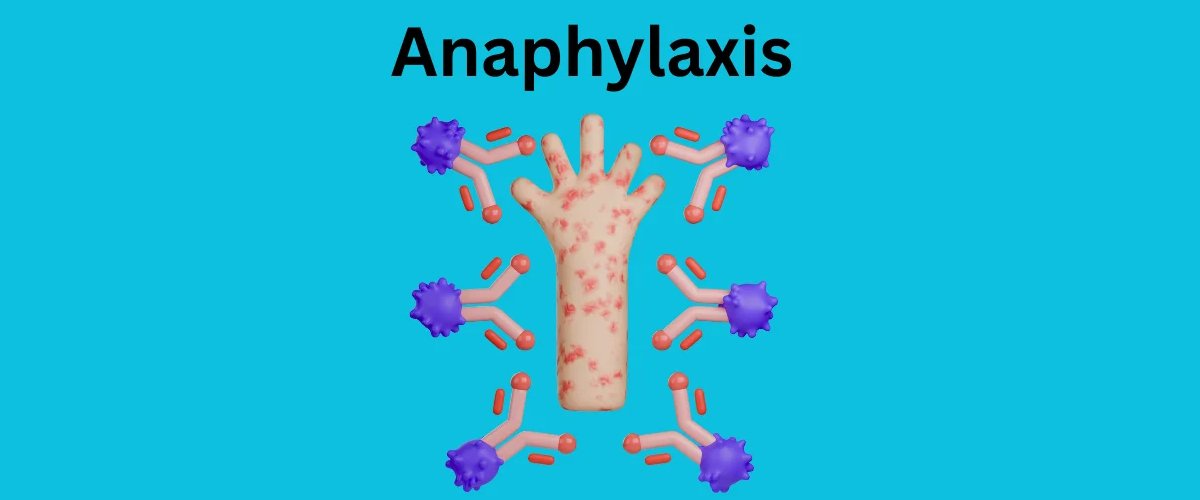
Anaphylaxis is a medical emergency caused by a sudden and extreme immune response after exposure to an allergen. It affects multiple body systems at the same time, including:
- Skin
- Airways and lungs
- Heart and circulation
- Digestive system
Without rapid treatment, anaphylaxis can progress to shock, cardiac arrest and death.
🚨 Anaphylaxis always requires immediate EpiPen administration and triple zero (000).
How Common Is Anaphylaxis in Australia?
- Anaphylaxis admissions have more than doubled in the past 20 years
- 1 in 10 infants now has a food allergy
- 2 in 100 Australian adults live with food allergies
- Food, insect stings and medications cause over 90% of cases
The Australasian Society of Clinical Immunology and Allergy (ASCIA) provides national standards for diagnosis and first aid management throughout Australia and New Zealand.
What Causes Anaphylaxis?
Anaphylaxis occurs when the immune system floods the body with chemicals such as histamine after exposure to an allergen.
Common Anaphylaxis Triggers
- Food
- Insect venom
- Medications
- Latex
- Vaccines (very rare)
Most Common Anaphylaxis Triggers in Australia
Food Allergens
- Peanuts
- Tree nuts (almonds, cashews, walnuts, hazelnuts)
- Cow’s milk
- Eggs
- Sesame (mandatory allergen labelling in Australia)
- Wheat, soy
- Fish and shellfish
Peanut and tree nut allergies rarely resolve and are frequently linked to severe anaphylaxis.
Insect Stings (High-Risk in Australia)
- Bees and wasps
- Jack Jumper ants (Tasmania and some mainland regions)
- Tick bites (associated with mammalian meat allergy)
Medications
- Antibiotics (penicillin, amoxicillin)
- Pain relief medications (aspirin, ibuprofen)
Signs and Symptoms of Anaphylaxis
Symptoms usually appear within minutes and worsen quickly.
Anaphylaxis Symptoms Include
Skin
- Hives
- Redness
- Itching
- Swelling
Airways & Breathing
- Wheezing
- Shortness of breath
- Chest tightness
- Trouble swallowing
- Hoarse voice
Heart and Circulation
- Dizziness or fainting
- Low blood pressure
- Fast or weak pulse
Digestive System
- Abdominal pain
- Vomiting
- Diarrhoea
⚠️ Important: 10–20% of people have no skin symptoms — absence of hives does NOT rule out anaphylaxis.
Allergic Reaction vs Anaphylaxis
| Allergic Reaction | Anaphylaxis |
|---|---|
| One body system | Two or more systems |
| Mild or moderate | Rapidly life-threatening |
| Antihistamines may help | EpiPen required immediately |
✅ If in doubt, treat as anaphylaxis and give EpiPen.
EpiPen: The First-Line Treatment for Anaphylaxis
🔑 EpiPen First. EpiPen Fast.
An EpiPen (adrenaline injector) is the only medication that reverses anaphylaxis.
- Opens airways
- Reduces throat swelling
- Improves blood pressure
- Prevents collapse
⛔ Delaying or not using an EpiPen has been linked to fatal outcomes.
ASCIA Anaphylaxis First Aid Steps (Australia)
Step 1 – Position
- Lay person flat
- If breathing is difficult, allow them to sit
- Pregnant: left side
- Unconscious: recovery position
Step 2 – Give EpiPen
- Inject into outer mid-thigh
- Through clothing if required
- Do NOT use antihistamines first
Step 3 – Call 000
Say “anaphylaxis”.
Step 4 – Second EpiPen
Give after 5 minutes if no improvement.
Step 5 – Hospital Observation
Observe for at least 4 hours.
How to Use an EpiPen
- Remove blue safety cap
- Place orange end against outer mid-thigh
- Push hard until click
- Hold for 3 seconds
- Remove and massage injection site
- Call 000 and monitor
✅ Can be injected through clothing.
Biphasic Anaphylaxis (Second Reaction)
- Occurs in up to 20% of cases
- Symptoms return after initial improvement
- Can occur up to 12 hours later
This is why hospital observation is essential after EpiPen use.
Why First Aid Training Matters
Anaphylaxis can happen anywhere:
- Childcare and schools
- Healthcare and aged care
- Construction and workplaces
- Hospitality and community settings
First aid training builds confidence, speed and correct response — and saves lives.
Ready to Learn Anaphylaxis First Aid?
- ASCIA-aligned anaphylaxis management
- Hands-on EpiPen and Anapen practice
- Workplace, childcare and healthcare compliance
📍 Book your first aid training today and be prepared to save a life.
References
- Australasian Society of Clinical Immunology and Allergy (ASCIA). Anaphylaxis – Causes, Symptoms and Management. ASCIA is the peak professional body for clinical immunology and allergy in Australia and New Zealand and provides national guidelines for anaphylaxis recognition and management. Available at: https://www.allergy.org.au/patients/about-allergy/anaphylaxis [allergy.org.au]
- Allergy & Anaphylaxis Australia. Anaphylaxis: Triggers, Emergency Treatment and Prevention. National consumer organisation supporting people at risk of severe allergic reactions, aligned with ASCIA guidance. Available at: https://allergyfacts.org.au/anaphylaxis/ [allergyfacts.org.au]
- Royal Australian College of General Practitioners (RACGP). Anaphylaxis: Identification, Management and Prevention. Peer‑reviewed clinical overview of common anaphylaxis triggers and emergency treatment in Australia. Available at: https://www.racgp.org.au/getattachment/5d21302c-f769-43fd-9dc5-42188897a1a6/Anaphylaxis.aspx [racgp.org.au]
- Australian Allergy Centre. Anaphylaxis Overview and Risk Factors. Highlights food and nut allergy as high‑risk causes of anaphylaxis in the Australian population. Available at: https://www.australianallergycentre.com.au/types-of-allergy/anaphylaxis/ [australian…tre.com.au]
Disclaimer
The information provided on this page is for general education purposes only and does not replace nationally accredited first aid training, anaphylaxis training, or medical advice. Always follow current ASCIA guidelines and undertake formal training with a registered provider.
Popular Posts
-
Childcare First Aid Course Requirements in Australia: Everything You Need to Know
July 22, 2026Working in the childcare and early education sector comes with significant responsibilities. Whether you are...
-
First Aid Certificate Course Midland WA: Everything You Need to Know Before You Enrol
July 17, 2026Accidents and medical emergencies can happen anywhere—at home, in the workplace, at school, or even...
-
Paediatric Resuscitation Guidelines for Healthcare Workers: An Essential Guide for Australian Clinical Practice
July 8, 2026Paediatric emergencies are among the most challenging situations healthcare workers encounter. Unlike adult patients, infants...
-
Traumatic Cardiac Arrest Management: A Practical Guide for Faster Emergency Response in Australia
July 6, 2026Traumatic cardiac arrest (TCA) is one of the most critical medical emergencies a person can...
-
How to Use an AED in an Emergency: A Step-by-Step Guide for Australians
July 1, 2026Every minute counts during a cardiac emergency. When someone suffers a sudden cardiac arrest (SCA),...